
Time Travel in TV and Movies
In: Culture Innovative
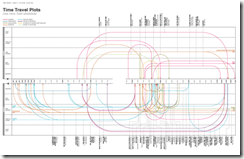
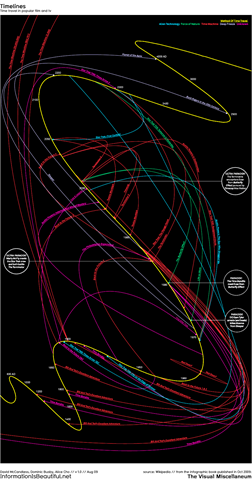
15 Feb 2010The content is a bit pointless, but the post on Information is Beautiful goes into interesting detail on the processes and choices that go into making one of these data dense designs.
Olympics: it begins
In: Culture
12 Feb 2010I am sure there is about to be a flood of Olympic related infographics. Here are a few to get you started:
Schedule (NBC): 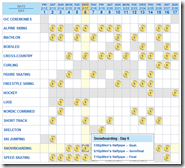
NYT Olympics Schedule tracker (adjusts to your local time): 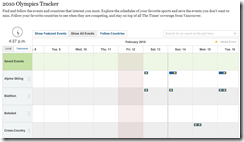
Curling: 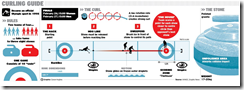
Bobsledding: 
NYT Interactive Venues: 
Slideshow of all winter olympic posters: 
And NBC has a very well designed free IPhone App for the Olympics, with schedules, streaming video, etc. (search for “NBC Olympics” in the Iphone App store).

UK Quantitative Easing
12 Feb 2010From the Daily Telegraph via Igraphics explained.

Snowpocalypse 2010
11 Feb 2010If you live in the Mid-Atlantic this makes a lot of sense to you right now. Thanks to Allison and Bernard for passing it on.


Manufacturing Rebound
9 Feb 2010Most industrial countries have recovered (temporarily, at least).

Israeli Settlements in the West Bank
9 Feb 2010An impressively detailed mapping analysis of settlements in disputed territories over time. Related article.


USA Job Losses by Sector 2008-10
9 Feb 2010Job losses/gains. Use the timeline slider at the top to change the month. The bubbles at the bottom showing the overall size of the sectors are a nice touch.

Obama’s Bank Reform Plan
In: Bailout Finance Politics Source: FT Stock Market US Economy
9 Feb 2010The FT has an audio annotated slideshow explaining the proposal.
(note, to get around FT’s registration try this link)

DC Metro (1976-2010)
In: Maps
9 Feb 2010A slideshow timelines of the growth of the Washington DC Metro (subway).

Guardian Zeitgeist
5 Feb 2010Another color coded graphic news aggregator. This one from the Guardian.

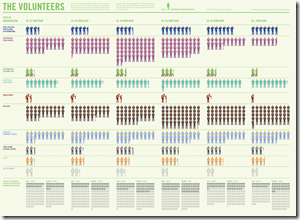
Volunteers in America
5 Feb 2010Good data on who volunteered where in 2009. I’ll spare you my usual critique of Good’s visualization choices.
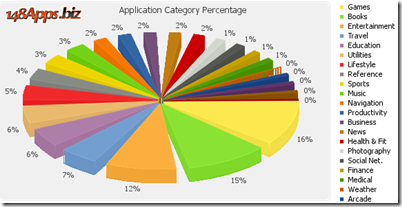
How Much Pie Charts Suck (in 3D!)
5 Feb 2010Jon Peltier executes another one of his wonderful critiques/rants about the uselessness of pie charts.
State of the Internet
In: Culture
5 Feb 2010Some nice perspective data. Apparently it’s for Q309. Thanks to VizWorld for posting it.

Tax Calculator
5 Feb 2010A fun toy for examining historic US tax rates and government expenditure. You put in your income and it graphs the amount of taxes you pay and breaks down what the government spent it on. As usual on this type of stuff, there are pages and pages of comments arguing about the methodology and what it all means. (via).

and in honor of those tax arguments:

(originally from here)


What is Chart Porn?
An addictive collection of beautiful charts, graphs, maps, and interactive data visualization toys -- on topics from around the world.
Categories
- Bailout (118)
- Chartporn Related (3)
- Commentary (21)
- Culture (669)
- Emerging Markets (66)
- Employment (245)
- Environment/weather (133)
- Finance (298)
- Food (92)
- Global Economy (373)
- Graphic Design (bad) (26)
- Graphic Design (general) (183)
- Graphic Tools (23)
- History (158)
- Housing (162)
- Humor (204)
- Innovative (183)
- Interactive (545)
- Internet/tech (97)
- Maps (578)
- News Media (34)
- Politics (329)
- Reference (97)
- Science (331)
- Source: Economist (101)
- Source: FT (92)
- Source: NYT (147)
- Source: Ritholtz (76)
- Source: USA Today (27)
- Source: Washington Post (90)
- Source: WSJ (135)
- Sports (58)
- Stock Market (74)
- Uncategorized (2)
- Updated regularly (76)
- US Economy (553)
- Video (22)
- Aram Korevaar: This chart is now being used as a projection in which countries such as China see themselves as in a [...]
- David: Welcome back Chart Porn! [...]
- J S: Thanks for the great story. Miss reading this blog. Hope to see you more active again. [...]
- jake: I lived in a DC row house for 6 years, and I'm writing this comment from my tiny 1 bedroom apartment [...]
- ronny pettersen: Hilarious and unfortunately accurate... ;-) [...]