
Interactive Archive:
AP Economic Stress Map (March ‘10 update)
6 Apr 2010The map displays unemployment, foreclosures, bankruptcy, or a composite “stress index”, by county. Easy to miss: in the upper right you can change the scale of the mapping (rates, m-t-m, y-t-y). To look at data over time, click on the “monthly rates” option and a historical slider will appear at the bottom. Double click on a region to zoom in; click & hold to move around, point at a county for popup detail.

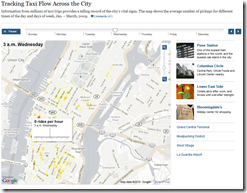
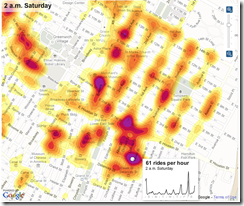
NY Cabs – Where to Find One
5 Apr 2010Interactive map of cab pickups in NYC Jan-Mar, 2009, based on millions of taxi trips. Apparently they also used the data to create a phone app. (via FlowingData).
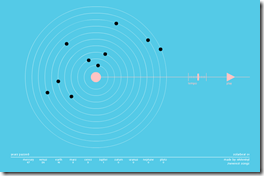
Solar Calendar Music Box
30 Mar 2010Very cool. I had no idea the planets moved at such different speeds. (via)
March Madness Twitter Feed
28 Mar 2010Select a team to follow the tweets of it’s coaches, players, and notable observers.

US Unemployment (updated 3/26/10)
28 Mar 2010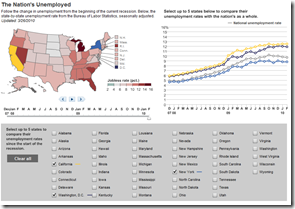
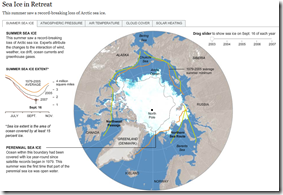
Sea Ice in Retreat?
In: Environment/weather Interactive Maps Science Source: NYT
25 Mar 2010I really liked the below NYT feature until I realized it was from 2007.
Looking around, I found this quicktime movie that shows 1979-2009:
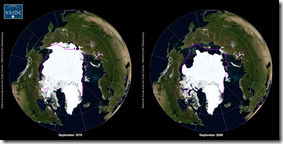
So 2007 was a bad year, but now it’s rebounding? Well, not really.
So is it melting or not? I recommend watching the below:
USA Today Economic Outlook Index (Mar ‘10 ver)
In: Employment Finance Housing Interactive Source: USA Today Updated regularly US Economy
24 Mar 2010The best part is the lower chart showing the latest data for each of the 11 “leading indicators”.

Periodic Table of Periodic Tables
24 Mar 2010Roll-over popups include descriptions and links to other periodic tables.

World Bank Data Visualizer
23 Mar 201049 Indicators for about 209 countries, accessible through a gapminder type interface.

China: International Investment (2004-08)
23 Mar 2010View FDI and exports (% and volume) to China.

Banks at Risk
23 Mar 2010The site has a good methodological explanation of how they came up with the list.

March Madness Team Comparison
In: Interactive Sports
23 Mar 2010Defensive verses offensive field goals, with colored seeding and whether they’re still in the tournament.

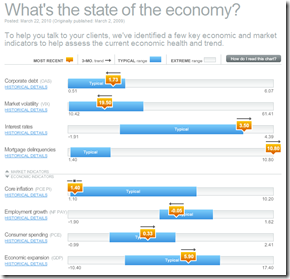
Economic Indicators Dashboard (Mar 2010 ver)
22 Mar 2010One of my favorite summaries of economic indicators. Click on any of the “historical details” to see what each indicator means and why it’s important.
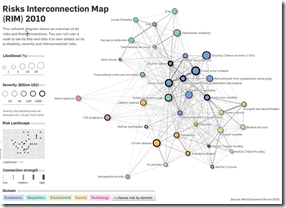
Risk Interconnection Map
In: Graphic Design (general) Innovative Interactive Maps Politics
21 Mar 2010From the World Economic Forum, based on this year’s Global Risk report. Thanks to Sean R. for passing it on!
Hurricane Watch
20 Mar 2010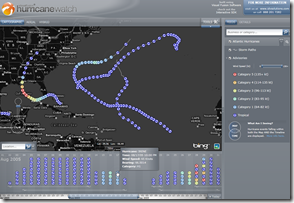


What is Chart Porn?
An addictive collection of beautiful charts, graphs, maps, and interactive data visualization toys -- on topics from around the world.
Categories
- Bailout (118)
- Chartporn Related (3)
- Commentary (21)
- Culture (669)
- Emerging Markets (66)
- Employment (245)
- Environment/weather (133)
- Finance (298)
- Food (92)
- Global Economy (373)
- Graphic Design (bad) (26)
- Graphic Design (general) (183)
- Graphic Tools (23)
- History (158)
- Housing (162)
- Humor (204)
- Innovative (183)
- Interactive (545)
- Internet/tech (97)
- Maps (578)
- News Media (34)
- Politics (329)
- Reference (97)
- Science (331)
- Source: Economist (101)
- Source: FT (92)
- Source: NYT (147)
- Source: Ritholtz (76)
- Source: USA Today (27)
- Source: Washington Post (90)
- Source: WSJ (135)
- Sports (58)
- Stock Market (74)
- Uncategorized (2)
- Updated regularly (76)
- US Economy (553)
- Video (22)
- Aram Korevaar: This chart is now being used as a projection in which countries such as China see themselves as in a [...]
- David: Welcome back Chart Porn! [...]
- J S: Thanks for the great story. Miss reading this blog. Hope to see you more active again. [...]
- jake: I lived in a DC row house for 6 years, and I'm writing this comment from my tiny 1 bedroom apartment [...]
- ronny pettersen: Hilarious and unfortunately accurate... ;-) [...]