
Culture Archive:
Alternative Medicine Flowchart
19 Oct 2010More lovely work. Thanks to Torrey McMahon for the link.

Some fantastic graphics over at Crispian Jago’s blog. First up, the Periodic Table of Irrational Nonsense:

Gay Sex vs Straight Sex
12 Oct 2010OkTrends has analyzed it’s database of user behavior to examine several rumors about homosexual behavior, compared to heterosexuals. Not surprisingly, none of them are true. The whole article is fascinating.




Average Expenses
In: Culture Employment
7 Oct 2010Where does your paycheck go? Survey numbers lay out the 2010 averages. (note: I am apparently soooo not average)

Map: Online Communities
In: Culture Internet/tech Maps
7 Oct 2010Another beautiful thematic map from xkcd.

Music Preference by Gender
In: Culture
29 Sep 2010Based on listening habits of Last.fm users. (via FlowingData)

Penis Size Preference Chart
In: Culture
29 Sep 2010The Penis Size preference Chart is a graph showing virtually all the possible combinations of penis length and penis girth in 1/4 inch intervals. For each combination it lists the matching grade of women’s preference (A to E), stating its ability to satisfy the average woman.
Ok, the chart below is SFW but the page it comes from isn’t. If you want to see the original chart click the image below. If you want to see the detailed explanation on the (slightly odd) original webpage click here.

Rap and Beer
27 Sep 2010The Pop Chart Lab is selling two well designed posters showing the taxonomies of Beer and Rap names.


Swear Word Modifiers
27 Sep 2010Frequency with which select adjectives are intensified with obscenities.

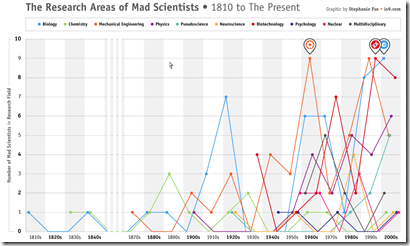
Mad Scientists: Areas of Study
23 Sep 2010An amusing analysis of fictional mad scientists and their primary interests.
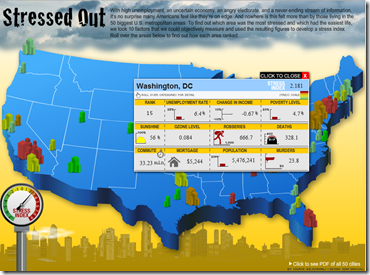
American Stress
23 Sep 2010Interactive map of stress based on unemployment, change in income, poverty, sunshine, ozone, crime, and cost of living.
We’re All Stupid
23 Sep 2010Actual wealth distribution versus what people think it is. (via)

This reminded me of a survey the Washington Post did a while ago which compared the ethnic distribution of the USA to what different ethnic groups thought it was – everyone got that horribly wrong too. Quick test: what percent of the population is White, Black, and Asian? Highlight the next line for the answer:
White: 75% Black: 12% Asian: 3.6% (2000 Census)
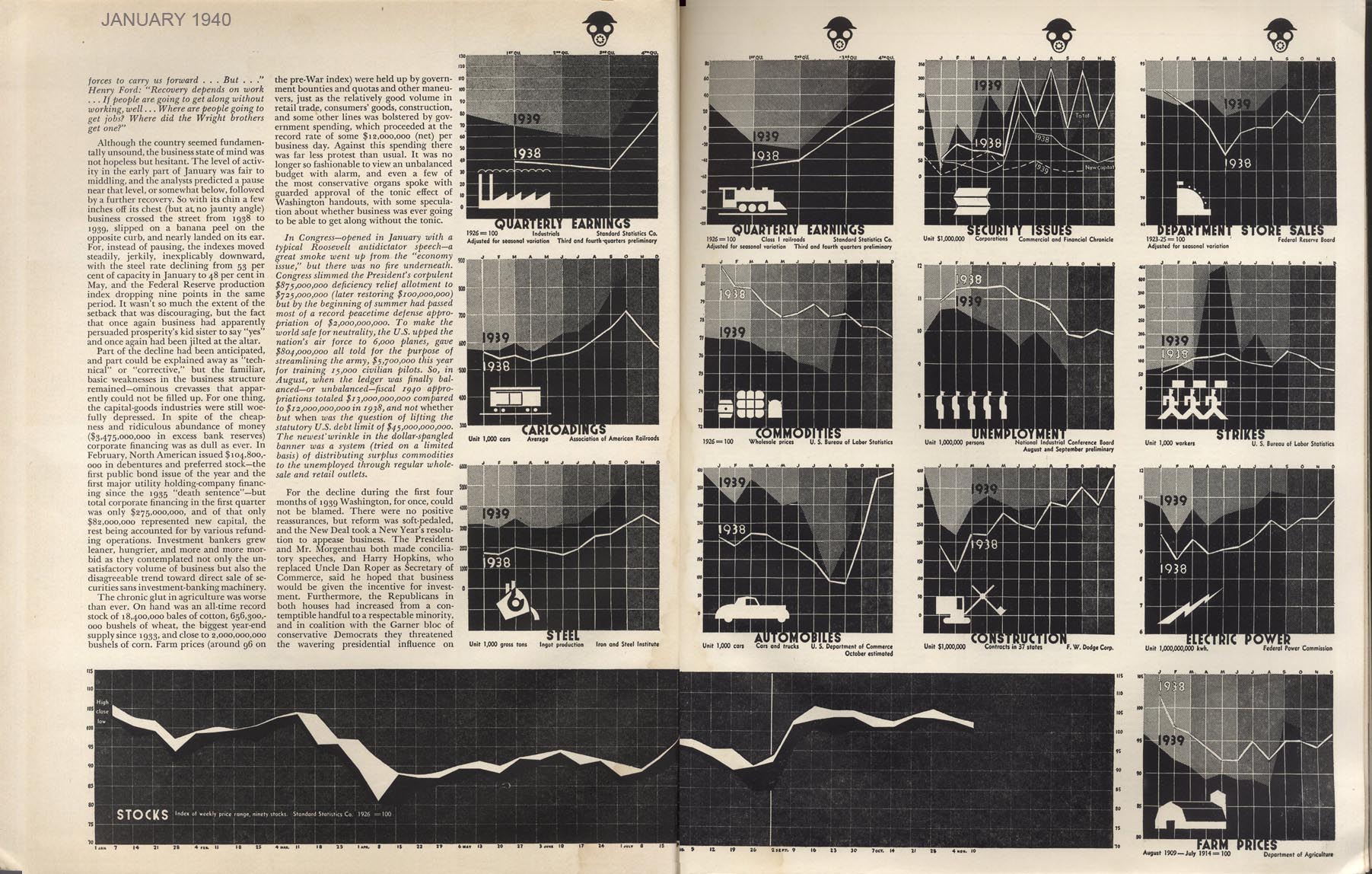
WWI-II Economics and Design
In: Culture Graphic Design (general) History Politics Science
21 Sep 2010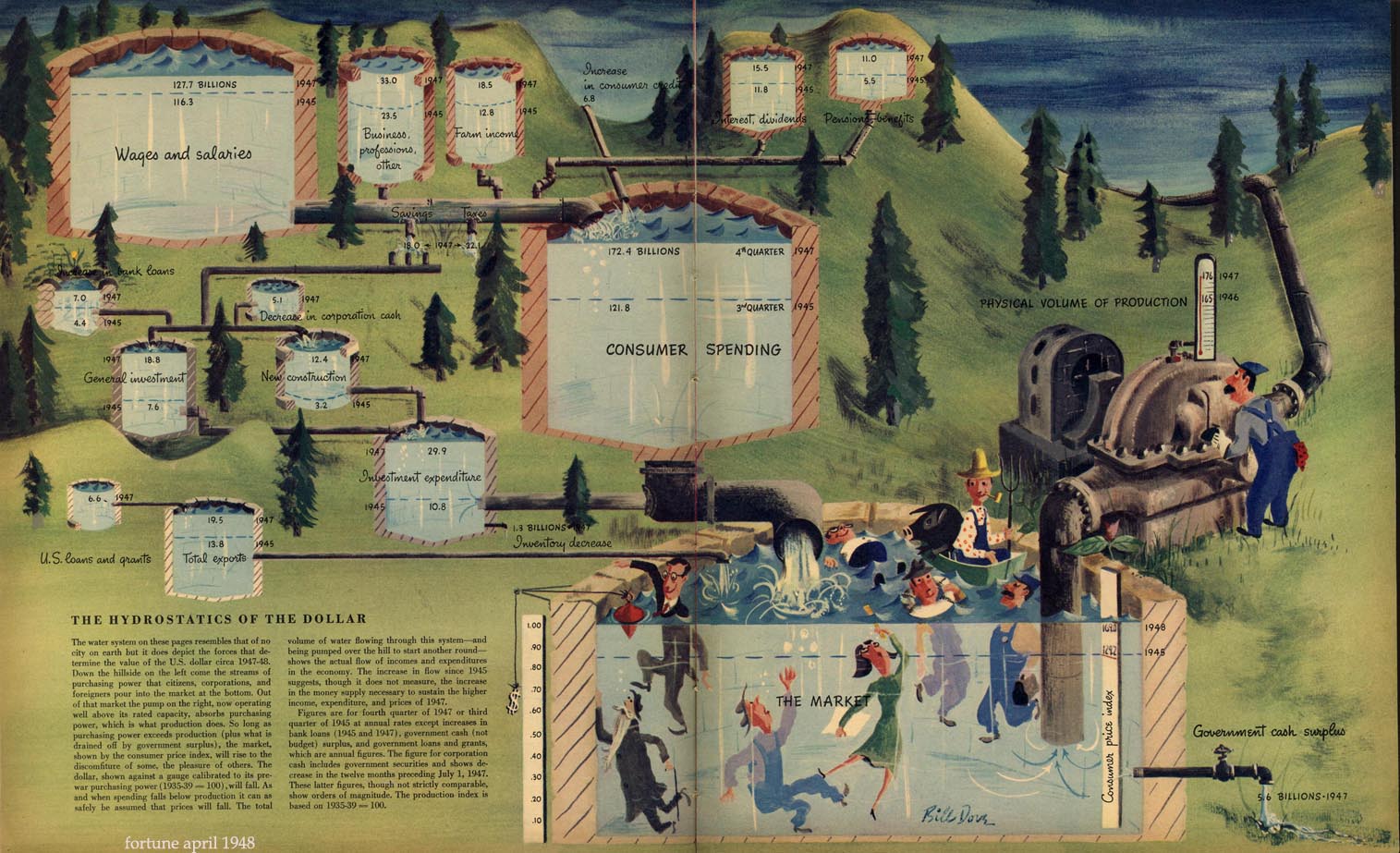


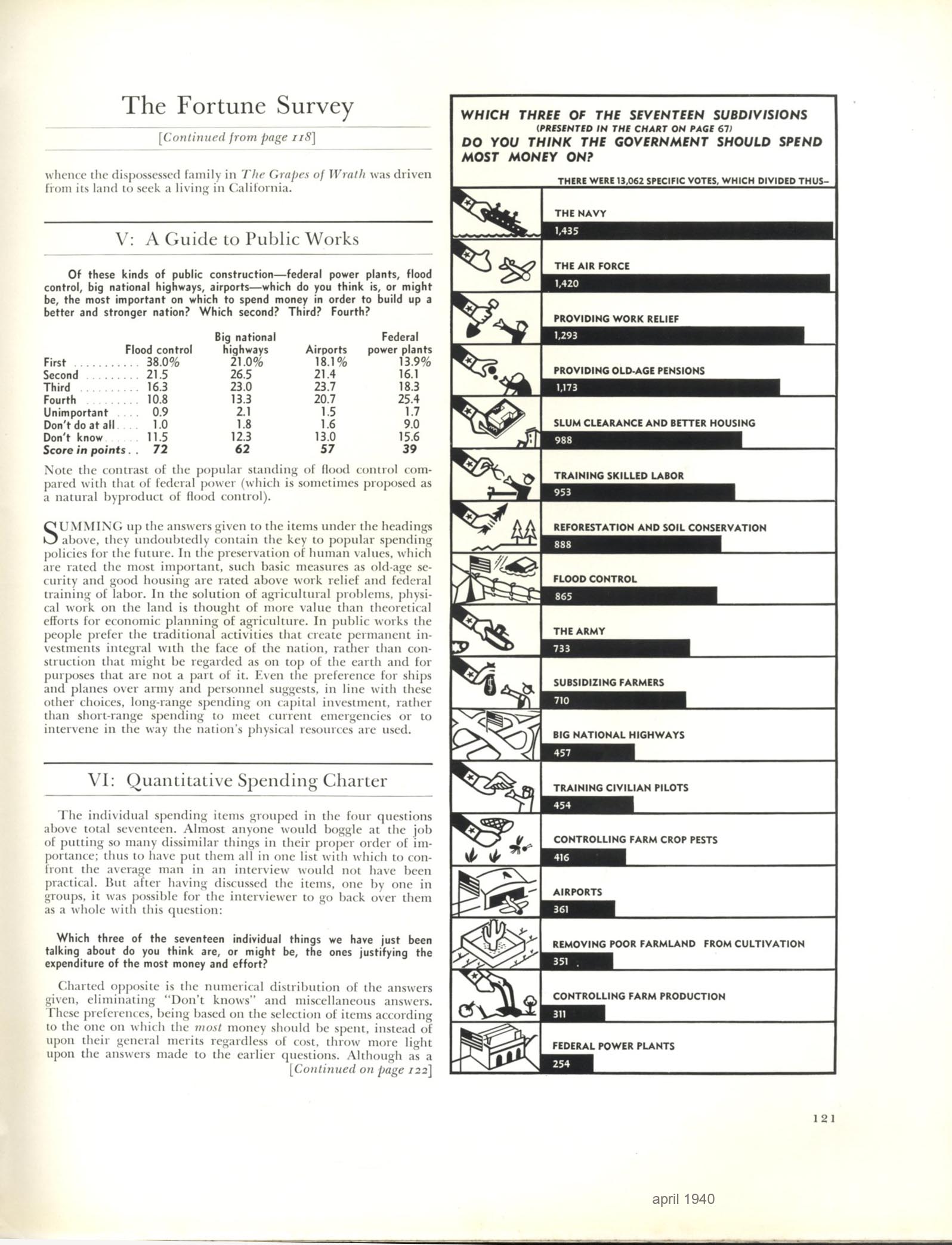
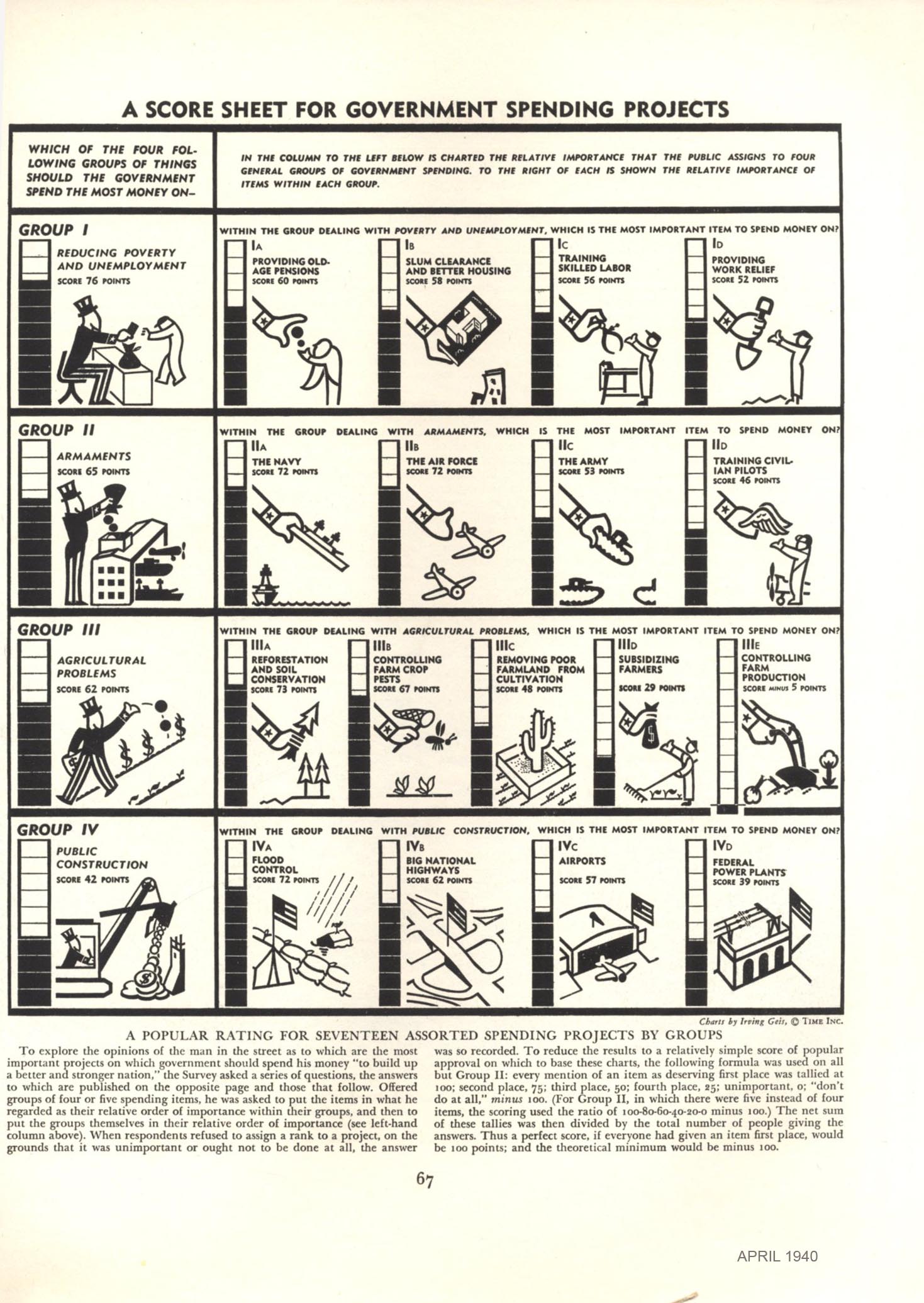


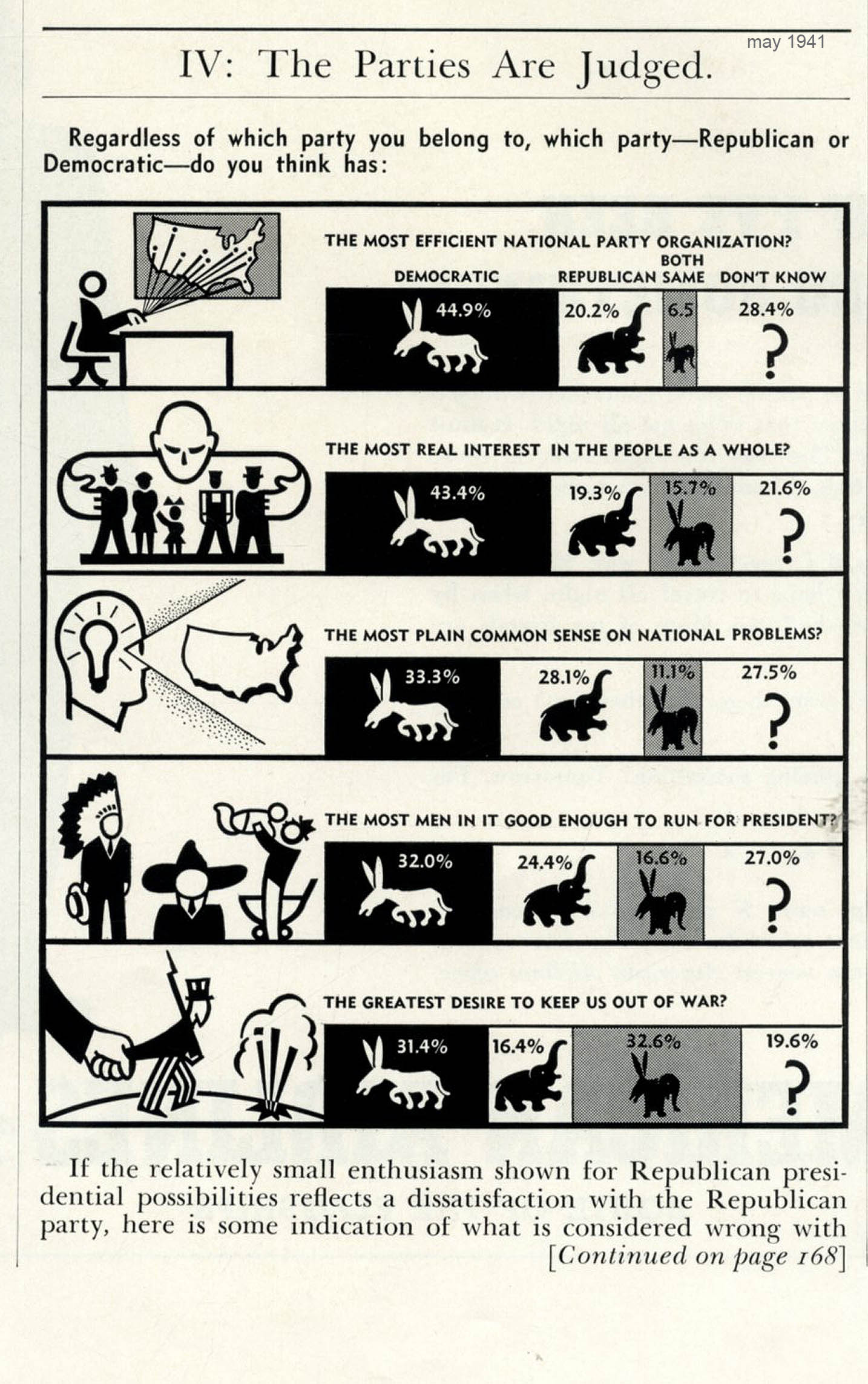
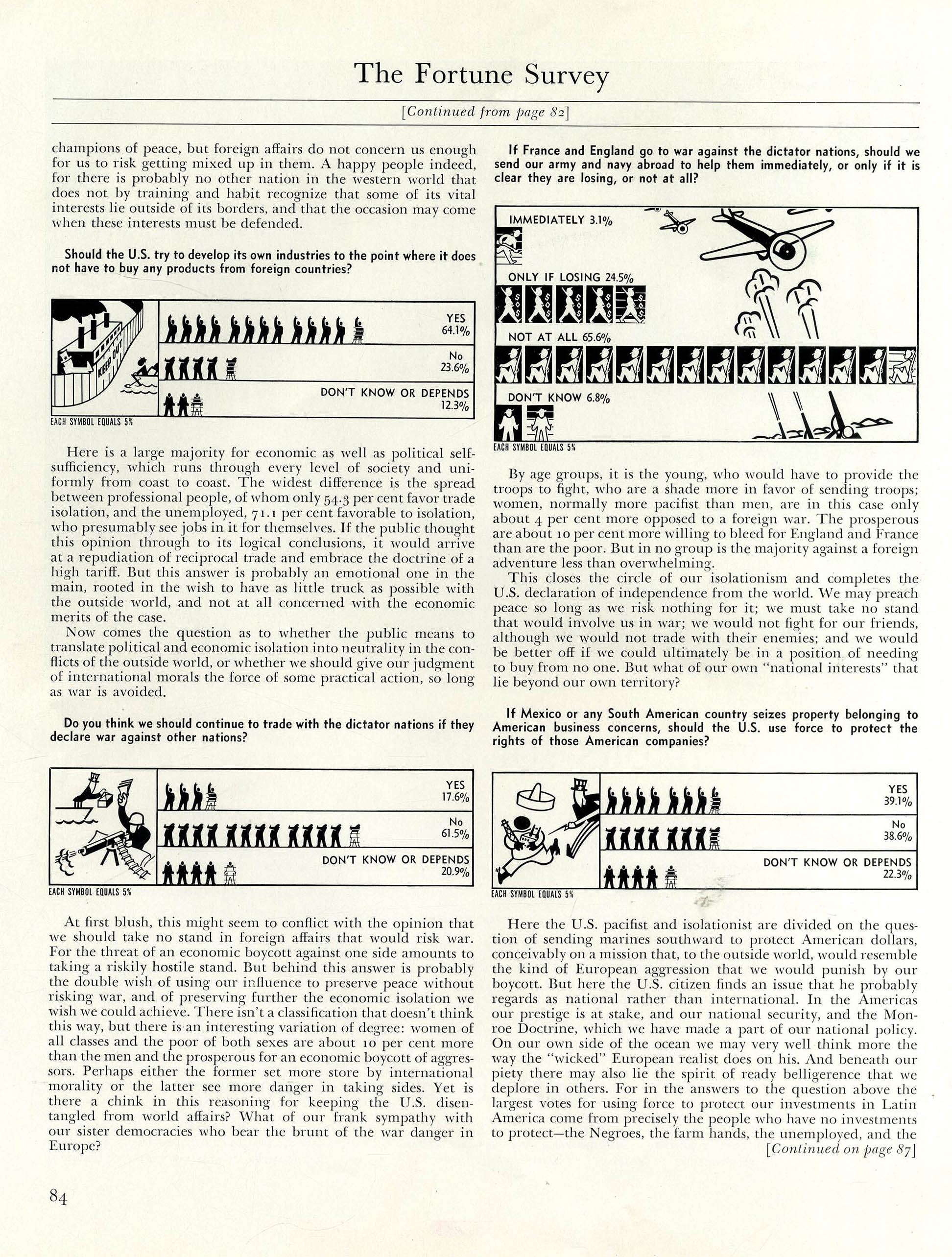
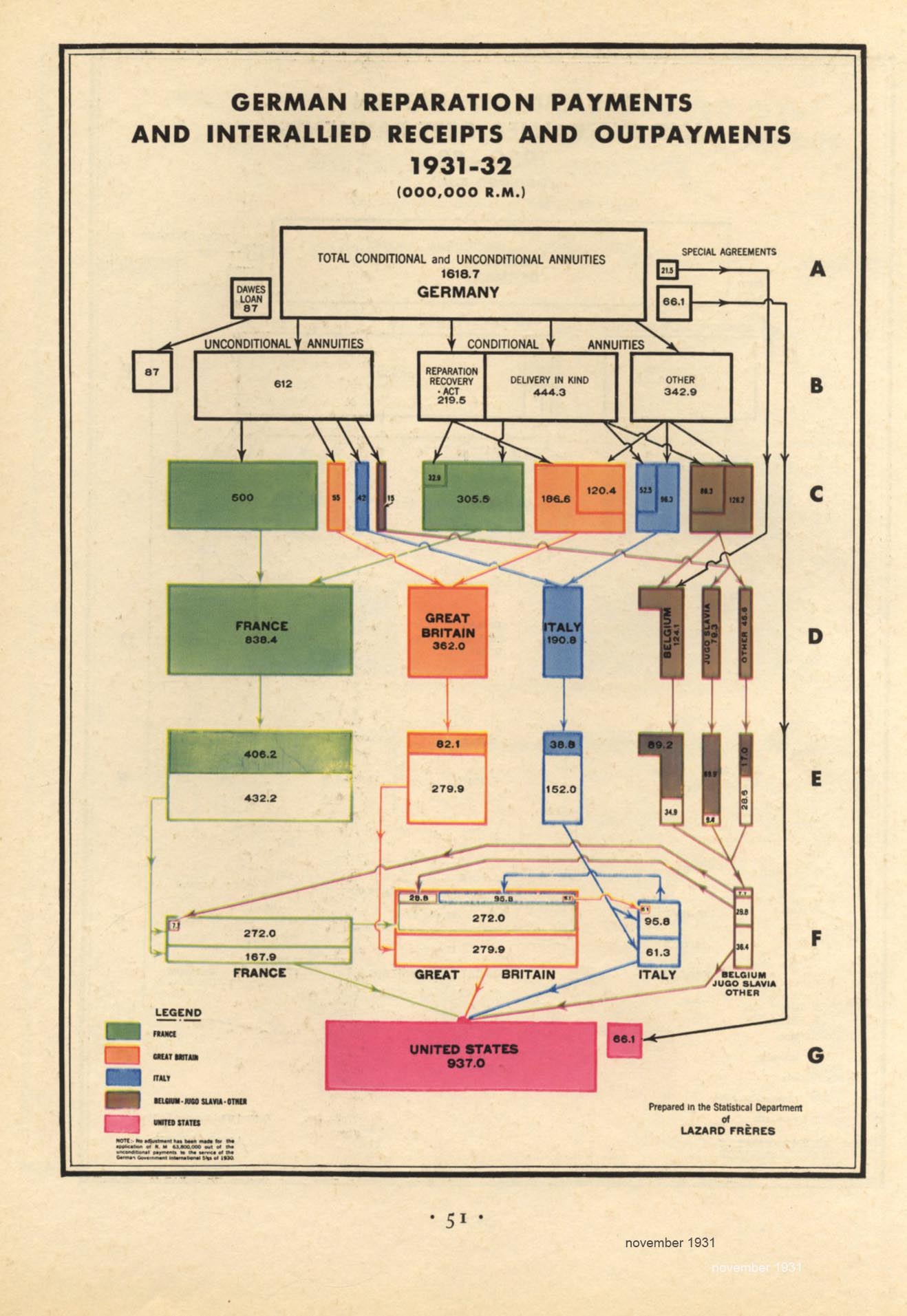
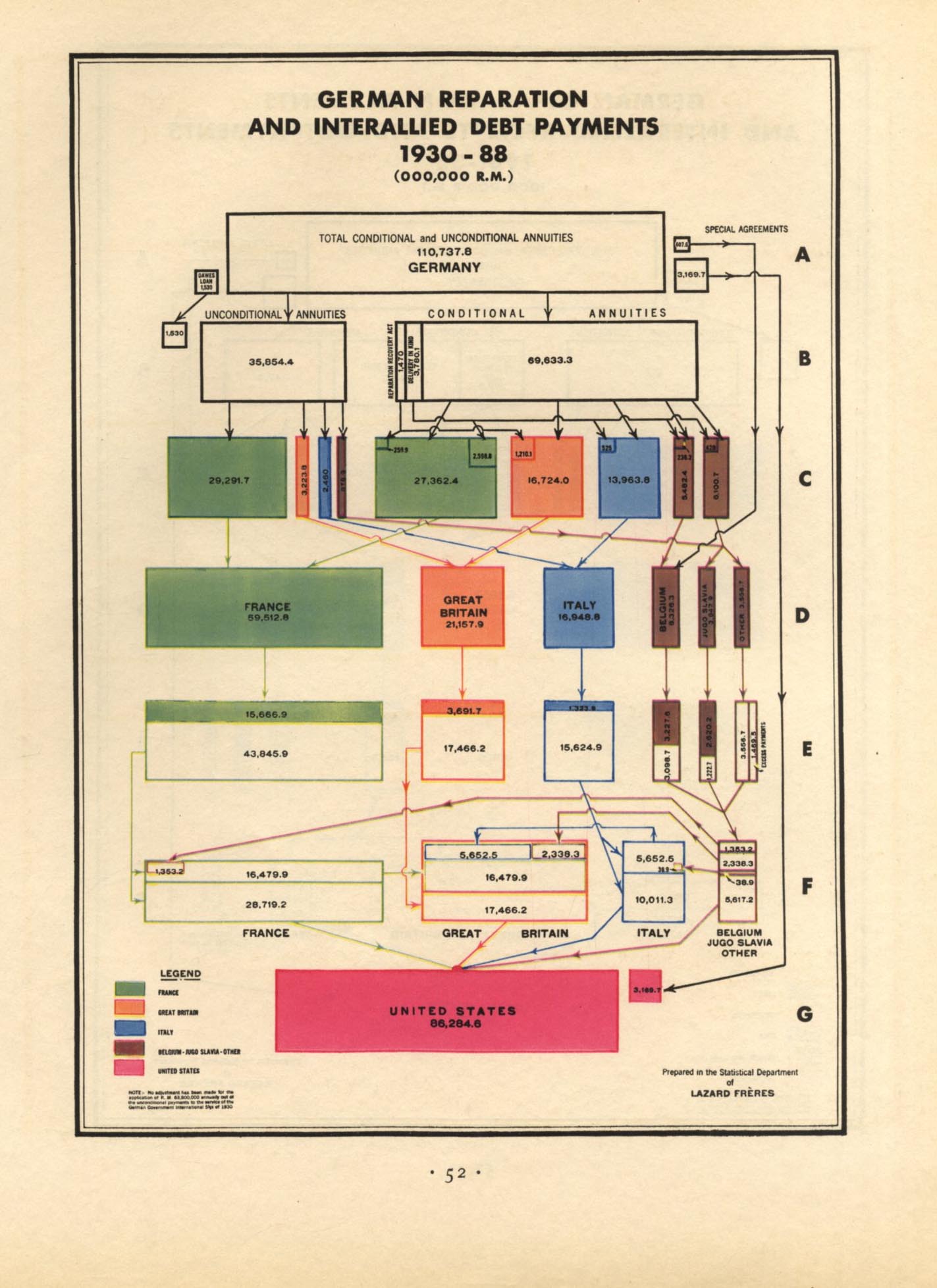
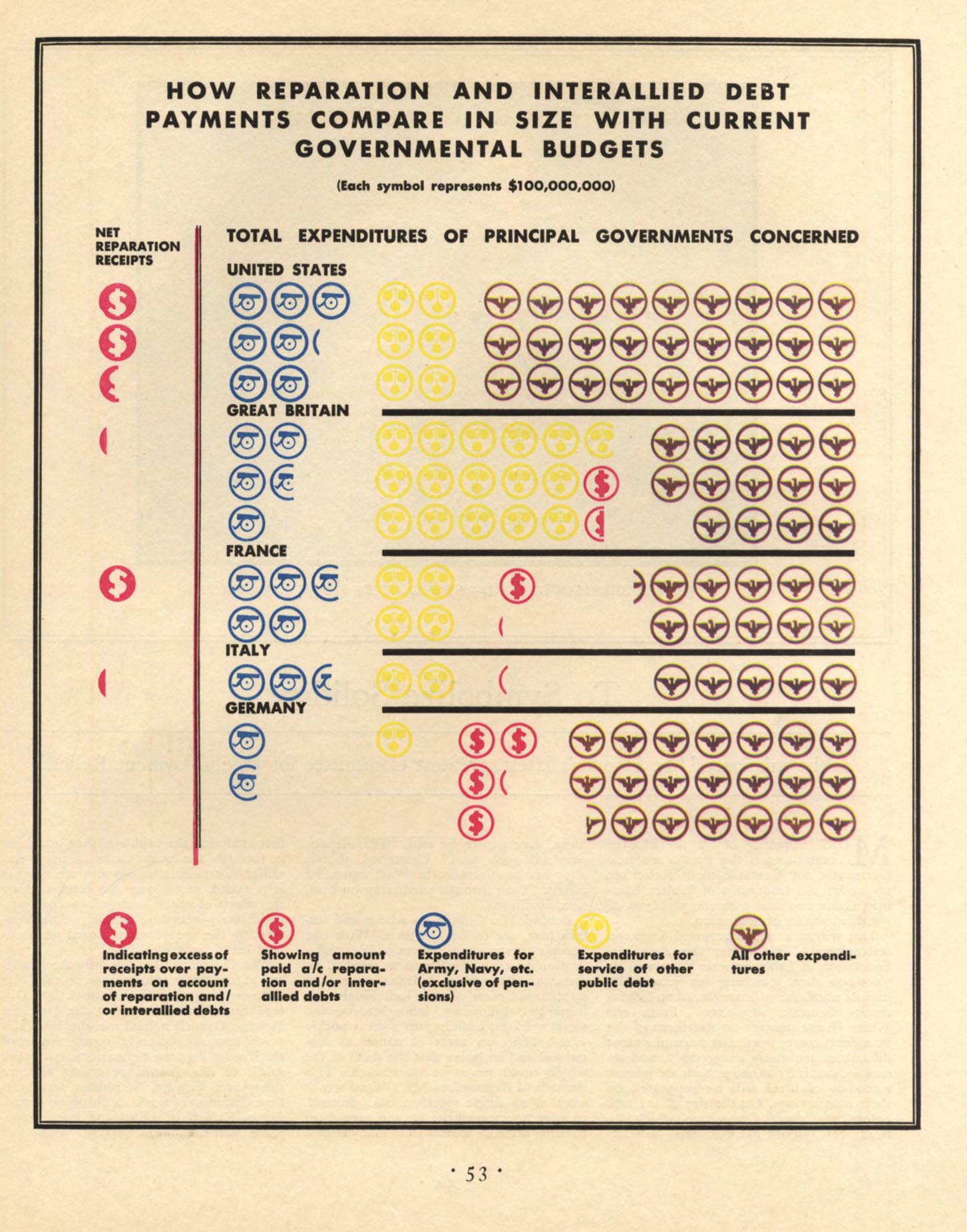
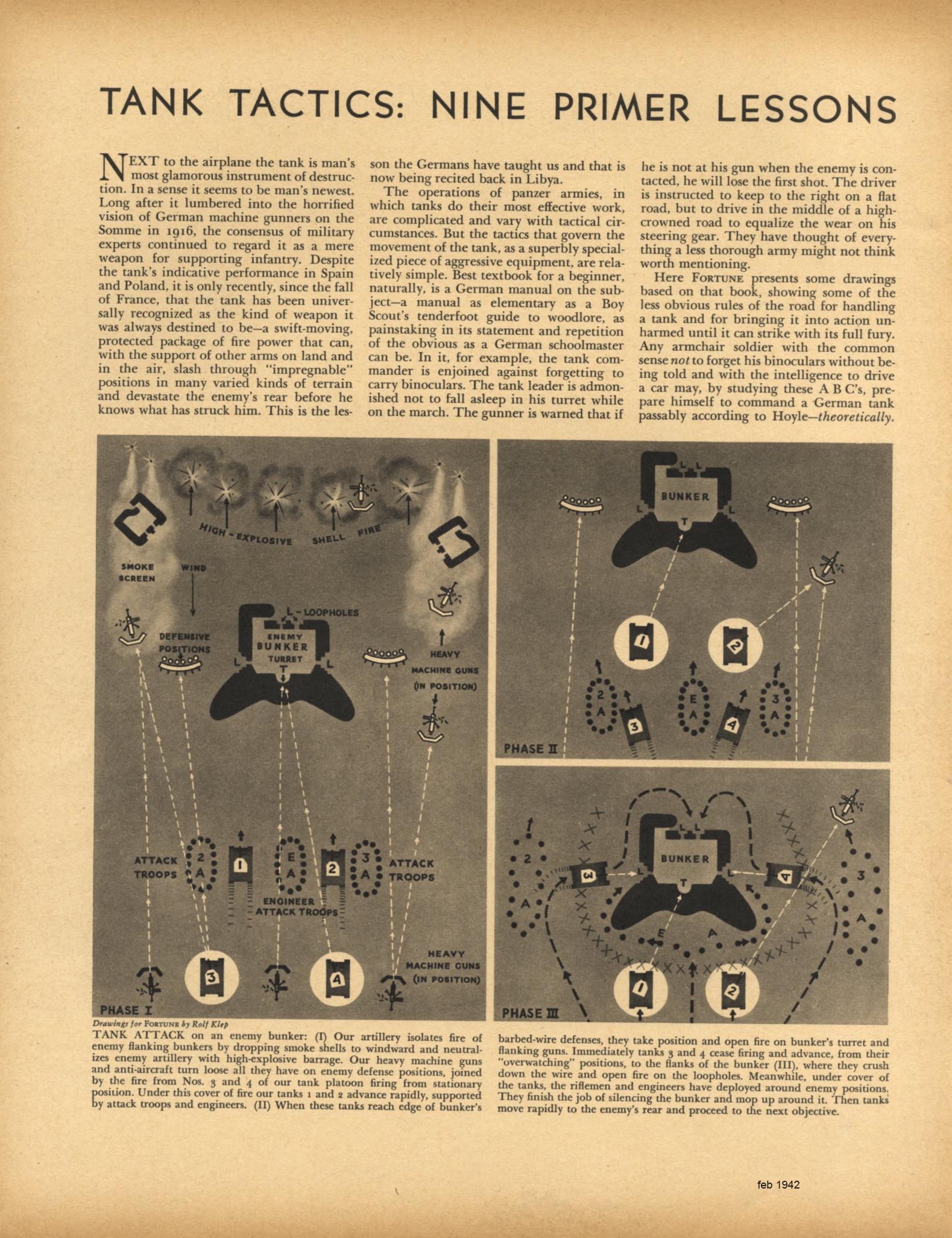


Saturday Morning Cartoons (1966-88)
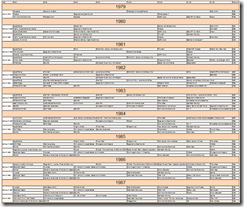
21 Sep 2010The website is not the prettiest, and they skip a lot of the 80s, but looking at the annotated timeline I can literally remember how I got off the couch and switched channels each year.


Here’s an un-annotated version, covering 1979-1990 – sourced from TV guides:
and one for the 90s.
Marijuana Price Map
19 Sep 2010The data is crowdsourced by consumer submissions. Amusing and interesting. (via)


What is Chart Porn?
An addictive collection of beautiful charts, graphs, maps, and interactive data visualization toys -- on topics from around the world.
Categories
- Bailout (118)
- Chartporn Related (3)
- Commentary (21)
- Culture (669)
- Emerging Markets (66)
- Employment (245)
- Environment/weather (133)
- Finance (298)
- Food (92)
- Global Economy (373)
- Graphic Design (bad) (26)
- Graphic Design (general) (183)
- Graphic Tools (23)
- History (158)
- Housing (162)
- Humor (204)
- Innovative (183)
- Interactive (545)
- Internet/tech (97)
- Maps (578)
- News Media (34)
- Politics (329)
- Reference (97)
- Science (331)
- Source: Economist (101)
- Source: FT (92)
- Source: NYT (147)
- Source: Ritholtz (76)
- Source: USA Today (27)
- Source: Washington Post (90)
- Source: WSJ (135)
- Sports (58)
- Stock Market (74)
- Uncategorized (2)
- Updated regularly (76)
- US Economy (553)
- Video (22)
- Aram Korevaar: This chart is now being used as a projection in which countries such as China see themselves as in a [...]
- David: Welcome back Chart Porn! [...]
- J S: Thanks for the great story. Miss reading this blog. Hope to see you more active again. [...]
- jake: I lived in a DC row house for 6 years, and I'm writing this comment from my tiny 1 bedroom apartment [...]
- ronny pettersen: Hilarious and unfortunately accurate... ;-) [...]